



 The Social Network2010 · ★ 7.4
Welcome to FreeHDMovies. 172 films drawn from real lives or carried by music, each with its cast, its director and a Watch now button.
FreeHDMovies
True stories
FilmsMost watchedTrue stories
Biographies and films drawn from real events.
Films: 88The Social Network2010 · ★ 7.4Sport
Real champions, real underdogs and a few invented ones.
Films: 26Moneyball2011 · ★ 7.3Science and invention
Mathematicians, inventors, engineers and astronauts.
Films: 18A Beautiful Mind2001 · ★ 7.9History
Films set among the events of the past.
Films: 45The Founder2016 · ★ 7.2
Music on film
FilmsMost watchedBy genre
FilmsMost watchedTop rated
Films rated 7.0 or higher.
Films: 91The Terminal2004 · ★ 7.4Comedy
The lighter side of the catalogue.
Films: 75Mamma Mia!2008 · ★ 7.0Drama
Stories with weight.
Films: 133Lion2016 · ★ 8.0Family
Films for every age.
Films: 36Mary Poppins1964 · ★ 7.5Romance
Love stories, sung and spoken.
Films: 49High School Musical2006 · ★ 6.5
By era
FilmsMost watchedBefore 1980
Films from 1944 to 1979.
Films: 15Singin' in the Rain1952 · ★ 8.11980 to 1999
Films from 1980 to 1999.
Films: 10Cool Runnings1993 · ★ 7.0The 2000s
Films from 2000 to 2009.
Films: 47High School Musical 22007 · ★ 6.5The 2010s
Films from 2010 to 2019.
Films: 62Steve Jobs2015 · ★ 6.8The 2020s
Films from 2020 to 2024.
Films: 38Elvis2022 · ★ 7.4
Most watched on FreeHDMovies
The Social Network2010 · ★ 7.4 A Beautiful Mind2001 · ★ 7.9
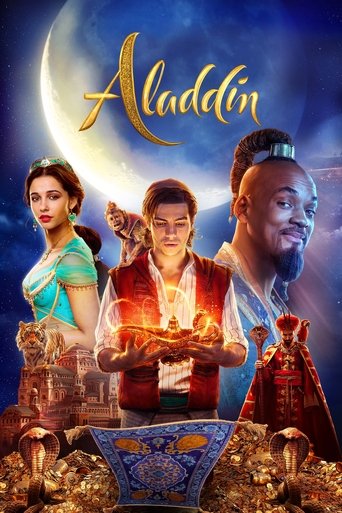 Aladdin2019 · ★ 7.1
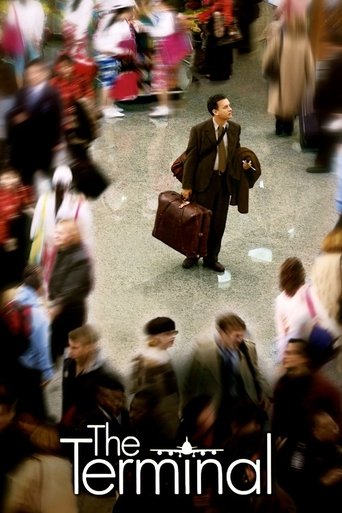 The Terminal2004 · ★ 7.4
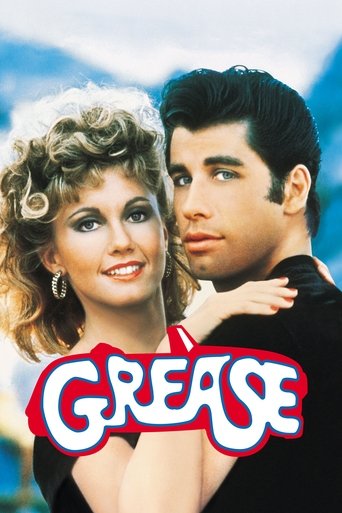 Grease1978 · ★ 7.4
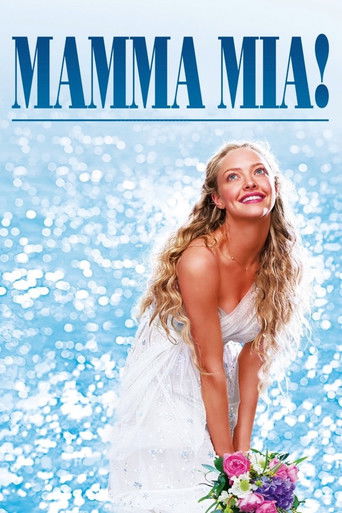 Mamma Mia!2008 · ★ 7.0
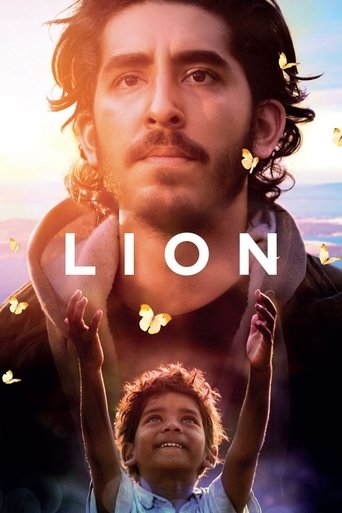 Lion2016 · ★ 8.0
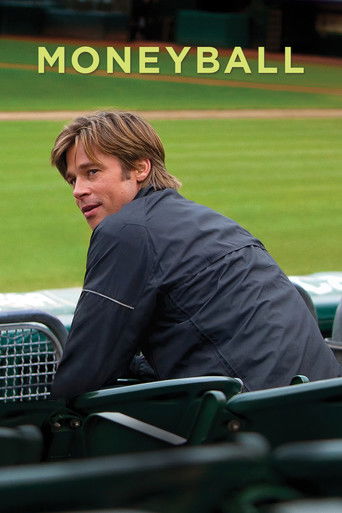 Moneyball2011 · ★ 7.3
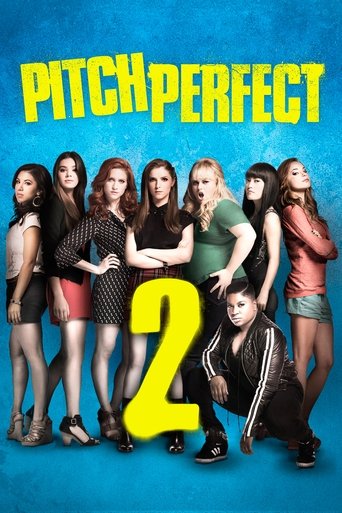 Pitch Perfect 22015 · ★ 6.8
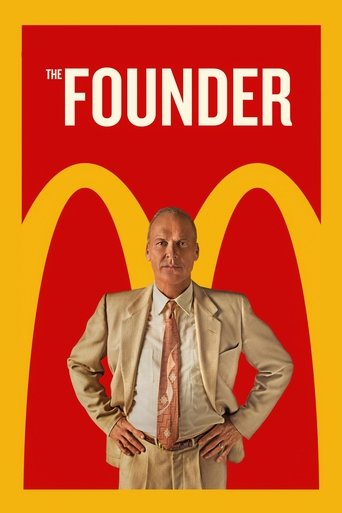 The Founder2016 · ★ 7.2
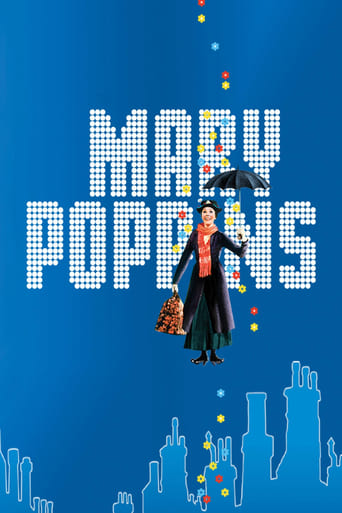 Mary Poppins1964 · ★ 7.5
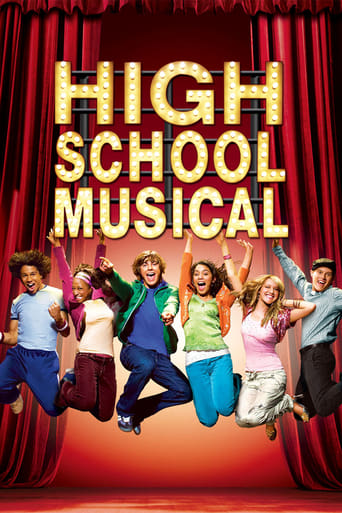 High School Musical2006 · ★ 6.5
 Steve Jobs2015 · ★ 6.8
 Joy2015 · ★ 6.6
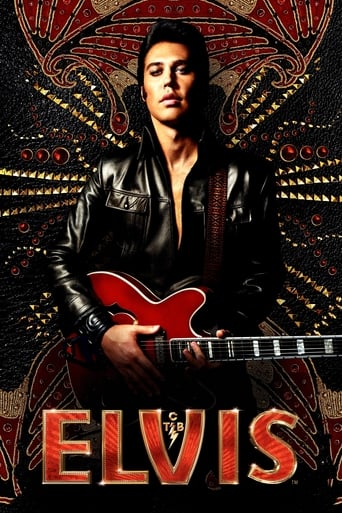 Elvis2022 · ★ 7.4
 High School Musical 22007 · ★ 6.5
The FreeHDMovies guide to true stories and music movies
FreeHDMovies: true stories and music movies, from Singin' in the Rain, Grease and A Beautiful Mind to The Social Network, Lion, CODA and Elvis
FreeHDMovies is a film guide dressed as a film forum. Its home page is a set of boards, the way discussion sites used to arrange their topics, and each board gathers films of one kind. The catalogue behind the boards has a clear character: 172 films, made between 1944 and 2024 by 154 directors, that are either drawn from real lives or carried by music, and quite often both. Every film has a page with its cast, its director, a short summary, its rating and a button that leads to the official services where it can be watched.
The numbers describe the mix. Eighty-eight films are true stories or biographies. Fifty-two are musicals, fifty-six are about bands, singers and composers, and twenty-two are dance films. Forty-five have a historical setting, twenty-six turn on a sport and eighteen on science or invention. By genre, 133 are dramas, seventy-five comedies, forty-nine romances and thirty-six family films. Fifteen were made before 1980, ten between 1980 and 1999, forty-seven in the 2000s, sixty-two in the 2010s and thirty-eight in the 2020s. Ninety-one hold an audience rating of seven or higher, more than half the catalogue.
The Watch now button opens JustWatch for the country you choose and shows the subscription, rental, purchase and free services that carry the film there. FreeHDMovies itself is a guide: it describes, sorts and points the way. The how to watch page explains the steps in a few lines.
Why true stories and music belong together
At first sight the two halves of the catalogue have little in common. One is sober and factual, the other breaks into song. Yet they share an audience, and a reason. Both kinds of film promise something that ordinary fiction struggles to guarantee: that the feeling on screen is earned. A true story earns it because the events happened. A musical earns it because, at the moment words run out, the characters do the only honest thing and sing.
The two also meet constantly. Many of the best music films are biographies: Ray, Elvis, Selena, A Complete Unknown, Maria. Many true stories are about performers: Stan & Ollie, Florence Foster Jenkins, Being the Ricardos. Sport, the other great source of true stories, has the same shape as a musical, with training in place of rehearsal and the final in place of the closing number. It is fitting that the first film most people name from each half, Singin' in the Rain and A Beautiful Mind, should both be about people whose gift sets them apart and whose happiness depends on someone who believes in them.
The boards on the home page follow this logic. The first group holds true stories, sport, science and history. The second holds musicals, music films and dance. Two further groups sort the same films by genre and by era, so that any title can be reached from several directions. The finding titles page lists every route.
True stories: founders and ideas
The largest board has eighty-eight films, and its most watched title is The Social Network. David Fincher's film, from a script by Aaron Sorkin, tells how a website built in a Harvard dormitory in 2004 grew into a company worth billions and cost its founder his closest friend. It is told through two legal hearings, moves at the pace of its dialogue and won three Academy Awards. Two films approach another famous founder: Jobs, which follows the life in order, and Steve Jobs, which reduces it to three tense scenes backstage.
The story of a product can be as gripping as the story of a person. The Founder shows a milkshake-machine salesman of the 1950s recognising the future in a small California hamburger stand. Air watches a sports company bet its basketball budget on one rookie. BlackBerry charts the rise and fall of the first smartphone, Flamin' Hot the idea of a factory janitor, and Joy the long road of a self-wringing mop from a kitchen drawing to television. Jerry & Marge Go Large is the gentlest of the group: a retired couple notice a quirk in the arithmetic of a lottery and share the proceeds with their town.
Inventors who had to fight for recognition have a small shelf of their own. Tucker: The Man and His Dream, directed by Francis Ford Coppola, celebrates the engineer who built fifty advanced motor cars in 1948 against the resistance of the large manufacturers. Flash of Genius tells of the college professor who devised the intermittent windscreen wiper and spent years in court to have his authorship acknowledged. Tesla and Radioactive look further back, to the pioneers of electricity and of radiation. The true stories page sets out the board by theme.
True stories: journeys and quiet courage
Other true stories are about distance covered. Lion follows a boy lost on the railways of India and the man he became, searching satellite maps from Australia for a village he half remembers. Togo recounts the dog-sled relay that carried medicine to an Alaskan town in 1925. The 33 goes underground with the Chilean miners of 2010. True Spirit sails round the world with a sixteen-year-old Australian, Amelia flies with the aviator Amelia Earhart, and Young Woman and the Sea swims the English Channel with Trudy Ederle in 1926.
The quietest stories are often the most affecting. Temple Grandin, with Claire Danes, portrays a woman with autism who thought in pictures and used that gift to redesign how livestock are handled across America. Front of the Class is about a man with Tourette syndrome who was turned down by twenty-four schools before one let him teach. Radio tells of a football coach and the young man he welcomed onto his team. Breathe follows a couple who refused to let paralysis confine them to a hospital ward, and The Upside an unlikely friendship between a wealthy man in a wheelchair and the carer who makes him laugh.
A few are about ordinary people who simply kept going. The Duke is the tale of a Newcastle pensioner and a missing painting. The Burial is a courtroom story from Mississippi. Big Miracle gathers a whole town around three whales trapped by ice, Dolphin Tale around a dolphin who needed a new tail, and Rescued by Ruby around a shelter dog who became a police searcher. We Bought a Zoo and The Big Sick turn family memoirs into warm comedy.
Sport
Twenty-six films stand on the sport board, and most are true. The team stories follow a pattern that always works. In Miracle, a coach assembles college players to face the best ice hockey side in the world at the 1980 Winter Olympics. In Glory Road, a small Texas college wins the 1966 basketball championship with a starting five that changed the game. We Are Marshall and When the Game Stands Tall are about football programmes facing loss and learning what the game is for. Cool Runnings is the comic exception: four Jamaicans and a borrowed sled at the Calgary Games of 1988.
The single champions are as varied as their sports. Cinderella Man is a boxer feeding his family through the Depression. King Richard is a father coaching two future tennis champions on public courts. Eddie the Eagle is a plasterer from Cheltenham who taught himself to ski jump. Seabiscuit and Dreamer: Inspired By a True Story are about racehorses given a second chance, and The Greatest Game Ever Played about a twenty-year-old amateur who won golf's United States Open in 1913 with a ten-year-old caddie at his side.
Several look at the thinking behind the game. Moneyball is the story of a baseball manager who trusted statistics over tradition. The Damned United studies the pride of an English football manager. Queen of Katwe follows a Ugandan girl to international chess, and Million Dollar Arm two Indian cricketers to American baseball. The Express honours Ernie Davis, the first African American to win college football's highest individual award, and Invincible, American Underdog and The Boys in the Boat complete a board built for a weekend. The sport page arranges it by game.
Science and invention
Eighteen films are about minds at work, and cinema has learned how to make thinking visible. A Beautiful Mind turns mathematics into patterns of light on a library window. The Man Who Knew Infinity shows a self-taught clerk from Madras filling notebooks with formulas that Cambridge professors needed years to prove. Stand and Deliver takes place in a Los Angeles classroom where a teacher persuades his pupils that calculus belongs to them as well.
Medicine supplies two of the finest films on the site, both first made for television. Something the Lord Made tells of the partnership between a white surgeon, played by Alan Rickman, and a Black laboratory technician, played by Mos Def, whose work in the 1940s made heart surgery on infants possible. Gifted Hands: The Ben Carson Story follows a boy from Detroit to the operating theatres of Johns Hopkins. A Million Miles Away is the newest of the group, the story of a farm worker's son who applied to the astronaut programme eleven times and reached orbit on the twelfth. The science page lists them all.
Painters, writers and performers
A good number of the true stories are about people who make things. The painters come first. Big Eyes is the strange case of Margaret Keane, whose pictures of wide-eyed children sold in millions under her husband's name. Maudie is the life of the Nova Scotia folk artist Maud Lewis. Girl with a Pearl Earring imagines the making of a Vermeer, and The Electrical Life of Louis Wain the career of the illustrator who made the cat a household favourite.
Writers have four films. Miss Potter, with Renée Zellweger, tells how Beatrix Potter published her tales of rabbits and ducks against the expectations of her family. Goodbye Christopher Robin looks at the household that produced Winnie-the-Pooh. Genius portrays the editor who shaped the novels of Thomas Wolfe, and The Lady in the Van is the playwright Alan Bennett's account of the visitor who parked in his drive and stayed fifteen years.
Performers complete the group. Stan & Ollie accompanies Laurel and Hardy on their last tour. Being the Ricardos spends a week with the stars of the most popular comedy on American television. Hitchcock watches a director risk his house on a thriller, and Florence Foster Jenkins celebrates a soprano whose enthusiasm outran her pitch. The painters and writers page gathers them.
History
Forty-five films have a historical setting. Some are grand: The Young Victoria in the palaces of the 1830s, Downton Abbey preparing for a royal visit in 1927. Some are intimate: Belfast sees the events of 1969 from the height of a child, and One Night in Miami... imagines a conversation between four famous friends on a single evening in 1964. Men of Honor follows the first African American master diver of the United States Navy, and Misbehaviour the women who interrupted a televised beauty contest in 1970 while another woman made history by winning it.
What the best of them share is a sense that the past was once the present. The crews of The Boys in the Boat had yet to learn they would reach Berlin. The teacher of The Miracle Worker had yet to learn that her pupil, Helen Keller, would become famous across the world. A good historical film restores that uncertainty, and the viewer leans forward as if the outcome were still open. The history page groups the board by period.
Musicals
Fifty-two films tell their stories in song, and the board covers the whole history of the form. The oldest film on the site, Meet Me in St. Louis of 1944, follows a family through one year in the American Midwest and gave Judy Garland three of her best-known songs. On the Town of 1949 sends three sailors, Gene Kelly and Frank Sinatra among them, round New York on a day's leave, and was among the first musicals to film its numbers on real streets. Singin' in the Rain of 1952 remains the standard by which the others are measured: a comedy about the arrival of sound in Hollywood, with a title number danced through puddles under a lamppost.
The 1950s also produced Seven Brides for Seven Brothers, with its acrobatic barn dance; High Society, a Cole Porter retelling of a famous society comedy, with Bing Crosby, Frank Sinatra, Louis Armstrong and Grace Kelly in her last screen role; and Funny Face, in which Fred Astaire photographs Audrey Hepburn across Paris. In the following decade the musical grew to epic size. My Fair Lady and Mary Poppins shared the honours of 1964, and Hello, Dolly!, directed by Gene Kelly with Barbra Streisand, closed the era in 1969.
The 1970s changed the sound. Grease took its songs from the pop charts and became the most successful film musical of its time. The Wiz set the story of Oz to soul music in a fantastical New York, and The Muppet Movie gave a frog a banjo and a ballad about rainbows. From there the board jumps to the present century, when the form came back to life.
Mamma Mia! and its sequel proved that audiences still wanted to sing along. Mary Poppins Returns and Aladdin revisited old favourites with new casts. In the Heights and tick, tick... BOOM! brought the energy of the modern stage to the screen, and Cats, Mean Girls, Cinderella and The Last Five Years did the same for other theatre scores. Bride & Prejudice carries Jane Austen to Amritsar in the style of Indian popular cinema, Walking on Sunshine strings the hits of the 1980s along an Italian beach, and Lyle, Lyle, Crocodile and Jingle Jangle: A Christmas Journey sing for the family. The musicals page suggests an order, and the musicals board holds all fifty-two.
Music films
Fifty-six films are about the people who make music. The biographies lead. Ray follows Ray Charles from childhood blindness to worldwide fame, with Jamie Foxx at the piano. Selena celebrates the Tejano star and her family band. Elvis is a whirlwind, A Complete Unknown a patient portrait of Bob Dylan's first years in New York, and Maria a meditation on the last days of the soprano Maria Callas. One Chance tells of a shop assistant who won a television contest singing opera, and The Soloist of a gifted cellist found playing on the streets of Los Angeles.
Bands are the subject of some of the most joyful films on the site. The Commitments forms a soul group among the young of north Dublin. Sing Street starts one in a Dublin school in 1985, and Blinded by the Light finds a teenager in Luton whose life is changed by the songs of Bruce Springsteen. The Rocker, Lemonade Mouth and Bill & Ted Face the Music treat the band as a family of misfits. Drumline moves the idea to the marching bands of the American South, where the half-time show matters more than the match.
Then there are the films about learning and teaching. Mr. Holland's Opus spans thirty years in one school music room. CODA has a teacher who hears what a shy pupil could become. August Rush imagines a child who hears music in everything, and Teen Spirit and The High Note follow young women into the business. Ricki and the Flash, Music and Lyrics, High Fidelity and A Prairie Home Companion, the last film of the director Robert Altman, set on the closing night of a radio variety show, complete the board. The music page sorts them by kind.
Dance
Twenty-two films are on their feet. The classics need little introduction: Gene Kelly with an umbrella, Fred Astaire in a darkroom, John Travolta at the school dance and again, five years later, on Broadway in Staying Alive. Strictly Ballroom, the first film of Baz Luhrmann, pits a young Australian dancer against the rule book of his federation. Take the Lead is the true story of a teacher who brought ballroom dancing to a New York detention class.
Ballet has Center Stage, set in a New York academy where a dozen students compete for three places in the company, and High Strung, which pairs a dancer with a street violinist. Street dance has the two British films StreetDance 3D and StreetDance 2, the American Step Up 3D and Step Up All In, and Save the Last Dance 2. For younger viewers there are Work It, Feel the Beat and Full Out, the true story of a gymnast who found her way back to competition through hip-hop. A new Footloose revisits the town where dancing was banned. The dance page has the full list.
School musicals
A generation of viewers learned what a musical was from the Disney Channel, and the films are here in strength. The Cheetah Girls came first, in 2003: four friends from Manhattan with a group, a dream and matching outfits. The Cheetah Girls 2 took them to Barcelona and The Cheetah Girls: One World to India. Then, in 2006, came High School Musical, whose basketball captain and science student auditioned for the school show and set half the world singing. High School Musical 2 and High School Musical 3: Senior Year followed, and Sharpay's Fabulous Adventure sent the series' pink-clad rival to New York with her dog.
The formula proved endlessly adaptable. Camp Rock set it at a summer music camp. Hannah Montana: The Movie sent a pop star home to Tennessee. Starstruck paired an idol with a girl who had yet to hear of him, Lemonade Mouth formed a band in detention, Radio Rebel hid a confident disc jockey behind the shyest pupil in school, and Teen Beach Movie and Teen Beach 2 dropped two surfers into a beach musical of the 1960s. Another Cinderella Story and A Cinderella Story: If the Shoe Fits gave the fairy tale a dance floor and a stage.
These films are easy to underestimate. They are tightly choreographed, generously sung and entirely sincere about friendship and nerve. For a family with children between seven and fourteen they are the natural doorway to the older musicals on the same board, and many a viewer has gone from Troy and Gabriella to Danny and Sandy and then to Don Lockwood in the rain. The family page lists them with the other films for younger viewers.
From the stage
A handful of films began in the theatre as spoken plays, and they sit comfortably beside the musicals. The Odd Couple and Barefoot in the Park are Neil Simon comedies of New York apartment life, filmed in the late 1960s with their stage timing intact. The Importance of Being Earnest dresses Oscar Wilde's comedy of invented relatives in Edwardian sunshine, with Colin Firth, Rupert Everett, Reese Witherspoon and Judi Dench. The Miracle Worker kept its two Broadway leads, and both won Academy Awards.
On Golden Pond and Steel Magnolias were plays as well, and both became showcases for great casts: Henry Fonda and Katharine Hepburn by a New England lake, and six women in a Louisiana beauty parlour. They are a reminder that a film built on good talk can hold an audience as surely as one built on spectacle. The comedy page and the drama page place them among their neighbours.
How true is a true story?
Films drawn from life carry a small notice: based on, or inspired by, actual events. The wording matters. A film based on a life usually keeps the main events and the real names, while compressing years into weeks and several people into one. A film inspired by events takes more freedom. Dreamer: Inspired By a True Story says so in its title; it borrows the recovery of an injured racehorse and invents the family around it. The One and Only Ivan begins from a real gorilla who lived for years in a shopping centre and gives him a voice. The Terminal takes the bare fact of a traveller stranded in an airport and builds a fable on it.
At the faithful end of the scale, Lion, Temple Grandin, Something the Lord Made and Gifted Hands: The Ben Carson Story follow memoirs and records closely, and the first three end with photographs or footage of the real people. The Social Network and Steve Jobs are openly portraits, shaped by a writer's point of view. Biographies of musicians stand somewhere between, since a life must be fitted to its songs.
The sensible way to watch is to enjoy the film as a film and treat it as an invitation. Nearly every title on the true stories board has a book, a documentary or an interview behind it, and the pleasure of looking up what really happened afterwards is part of the experience. Viewers of Togo go looking for the statue of the dog. Viewers of Young Woman and the Sea look up the ticker-tape parade. The films are a beginning.
Era by era
The last group of boards sorts the catalogue by date. Before 1980 stand fifteen films, almost all of them musicals or stage adaptations from the years when Hollywood built whole streets on its sound stages. The years 1980 to 1999 contribute ten, among them Cool Runnings, Selena, The Commitments and Stand and Deliver.
The 2000s, with forty-seven films, are where the modern true story took shape, led by A Beautiful Mind, Ray, Cinderella Man and the Disney sports dramas. The 2010s are the largest board, with sixty-two, from The Social Network and Moneyball to Lion and Togo. The 2020s already hold thirty-eight, including CODA, King Richard, Elvis, Air and A Complete Unknown. The era by era page picks four from each period.
The genre boards
The third group of boards sorts the same films by mood. Drama is the largest, with 133 titles, which is natural for a catalogue built on real lives. The comedy board has seventy-five and is the place to look for an easy evening: the a cappella contests of Pitch Perfect 2 and Pitch Perfect 3, the Icelandic hopefuls of Eurovision Song Contest: The Story of Fire Saga, the return of The Muppets, and true stories that happen to be funny, such as Cool Runnings and Brittany Runs a Marathon.
The family board has thirty-six films, and it mixes the sung with the true. Mary Poppins, Aladdin and The Muppet Movie stand beside Dolphin Tale, Togo and The One and Only Ivan. Troop Zero follows a troop of misfit scouts in 1977 who hope to send their voices into space, and Disenchanted returns to a fairy-tale princess with a full score of new songs. The romance board has forty-nine, from Funny Face and High Society to Music and Lyrics, The Big Sick and Bride & Prejudice.
The Top rated board deserves a visit of its own. With ninety-one films at seven or higher, it is the largest proportion of well-scored titles on any guide of this kind, and the reason is simple: true stories and musicals are made with affection and watched with it. The Top rated board opens with Singin' in the Rain, Lion, CODA, A Beautiful Mind, Togo and Temple Grandin.
Ten films worth discovering
Some titles on the boards are less familiar than they should be. Something the Lord Made and Temple Grandin were made for television and are as fine as anything shown in cinemas in their years. Front of the Class is a modest film with an unforgettable central character. Flash of Genius is for anyone who has ever had a good idea and watched somebody else take the credit. The Greatest Game Ever Played makes a golf tournament of 1913 as tense as a thriller.
Maudie is a love story of the least showy kind. Miss Potter has charming moments in which the author's drawings stir on the page. The Express and Walk. Ride. Rodeo., the story of a champion barrel racer who returned to the saddle after an accident, are sporting films with real heart. And A Prairie Home Companion is a warm farewell from a great director, full of songs sung for the pleasure of singing. Each is a short search away.
Films to watch in pairs
The two halves of the catalogue invite double bills. Watch Singin' in the Rain and then Hitchcock for two views of how Hollywood made its pictures. Follow Mary Poppins with Mary Poppins Returns, or Mamma Mia! with Mamma Mia! Here We Go Again, and see how a sequel answers its original across the years. Pair The Commitments with Sing Street, both set in Dublin, a generation apart.
Among the true stories, Jobs and Steve Jobs show how differently one life can be told. Miracle and Cool Runnings visit two Winter Olympics eight years apart, one in triumph and one in glorious defeat. A Beautiful Mind and The Man Who Knew Infinity are both about mathematicians and the friends who understood them. The Miracle Worker and Stand and Deliver, made twenty-six years apart, are the two great films about what a teacher can do. And Ray with Elvis makes an evening of American music in the 1950s that needs only a loud pair of speakers.
Where the stories happen
The boards travel widely. New York is the home of the musical, from the sailors of On the Town to the block parties of In the Heights, and of the Neil Simon comedies. Dublin has its two band films, and a quiet street in north London is the whole world of The Lady in the Van. Paris is the backdrop of Funny Face, and a Greek island of Mamma Mia!.
The true stories range further. Lion crosses India and Tasmania. Queen of Katwe and The Boy Who Harnessed the Wind were filmed in Uganda and Malawi. The 33 descends beneath the Atacama Desert, Togo crosses Alaska, and Million Dollar Arm begins on the cricket grounds of India. Belfast, Maudie in Nova Scotia and Strictly Ballroom in Sydney each belong so completely to their places that the setting becomes a character. An evening with FreeHDMovies can be a way of going somewhere.
How a musical number works
Viewers new to musicals sometimes ask why the characters sing at all. The answer is that a song does a job that dialogue would take ten minutes to do. It can declare a wish, as when Eliza Doolittle in My Fair Lady imagines a warm room and a comfortable chair. It can mark a change of heart, as when the title song of Singin' in the Rain shows a man so happy that the weather is beside the point. It can introduce a whole community at once, as the opening of In the Heights does for a city block, or settle an argument, as the last duet of Grease does for Danny and Sandy.
The classic musicals were filmed to show the dancing whole. The camera stands back, the performers are seen from head to foot, and a number may run for a minute with a single cut. That is why Gene Kelly and Fred Astaire still astonish: everything is in view. Later musicals cut faster and move the camera among the dancers, which suits the pop energy of High School Musical and Step Up 3D. Both approaches have their pleasures, and watching one of each on consecutive evenings is an education in film style.
There is also the question of who is singing. In Mary Poppins the stars sing for themselves. In My Fair Lady Audrey Hepburn's songs were largely sung by another voice, a common practice at the time. Modern productions prefer the actor's own voice, flaws included: the cast of Mamma Mia! sing with enthusiasm, the leads of A Complete Unknown and Elvis performed the songs themselves, and the young singer at the centre of CODA was cast for her voice. The effect is a kind of honesty that suits a catalogue half made of true stories.
Teachers, coaches and mentors
One figure appears on board after board: the person who sees what someone could become. In the true stories it is often a teacher. Annie Sullivan in The Miracle Worker spells words into a child's hand until one of them connects. Jaime Escalante in Stand and Deliver arrives early and stays late until his class passes an examination that the authorities assume is beyond them. The hero of Front of the Class becomes the teacher he wished he had met as a boy. In Mr. Holland's Opus the pupils, grown up, come back to play their teacher's music for him.
On the sport board the mentor is a coach: the patient trainer of Seabiscuit, the demanding Herb Brooks of Miracle, the former champion who takes on four sprinters in Cool Runnings, the father of King Richard. On the music boards it is the choir master of CODA, the older brother with a record collection in Sing Street, the dance teacher of Take the Lead. Even The Social Network and Moneyball turn on the question of whose advice to trust.
The pattern explains why these films are so often shown in schools and so often remembered. They suggest that talent is common and that encouragement is the rare ingredient. A viewer who has had such a teacher will recognise the feeling, and one who has been such a teacher will find the films more moving still. The drama page lists the teacher films together.
Films made for television
Several of the best true stories on the boards were made for television, and they deserve to be chosen as readily as cinema releases. American cable channels, in the 2000s especially, produced biographical films with fine casts and careful scripts. Something the Lord Made and Temple Grandin both won the Emmy Award for outstanding television film. Gifted Hands: The Ben Carson Story and Front of the Class reached large family audiences and have been passed along ever since.
The music side of the catalogue owes television even more. Every school musical named above began on a children's channel, with budgets a fraction of a cinema production's and rehearsal schedules measured in weeks. Their success changed what studios believed young audiences wanted, and the cinema musicals of the following decade, from Mamma Mia! to In the Heights, were made in a climate those small films had helped to create.
More recently the streaming services have taken over both traditions. Togo, A Million Miles Away, The Boy Who Harnessed the Wind, Rescued by Ruby and True Spirit were all made for viewing at home, as were tick, tick... BOOM! and Jingle Jangle: A Christmas Journey. FreeHDMovies lists them beside the cinema films and makes little distinction: what matters on these boards is whether the story is worth telling.
Second chances
If one idea links the two halves of the catalogue, it is the second chance. The sport board is full of them: a boxer written off in Cinderella Man, a horse dismissed as too small in Seabiscuit, a thirty-year-old barman at a football trial in Invincible, a quarterback stacking supermarket shelves in American Underdog. The Rocker gives a drummer another go twenty years late, and One Chance says it in the title.
The musicals believe in second chances as firmly. Singin' in the Rain rescues a doomed film by turning it into a musical. The Muppets reunites a troupe that had drifted apart. Mamma Mia! offers three men a second look at a summer long past, and Hello, Dolly! is about a widow who decides to rejoin the parade. Strictly Ballroom grants one to a father as well as a son.
That shared optimism is the real reason the boards sit comfortably together. A viewer who comes for the true stories will find the same spirit in the songs, and a viewer who comes for the songs will find that many of them are true. The musicals page and the true stories page are the two doors; it matters little which one you open first.
A last suggestion for newcomers: let the boards choose for you once in a while. Open a board you would usually pass by, take the film in its last column, the most watched, and give it twenty minutes. Viewers who think they dislike musicals have been won over by Singin' in the Rain in less, and viewers who expect a true story to feel like homework have found themselves cheering at Miracle or wiping their eyes at Lion. The catalogue was chosen so that a first visit to any board ends well, and the film counts beside each name show how much more is waiting once it has.
Directors and stars
A hundred and fifty-four directors made these films. Stanley Donen co-directed Singin' in the Rain and On the Town with Gene Kelly and made Seven Brides for Seven Brothers and Funny Face alone, which gives him four titles on the musicals board. Kenny Ortega directed the three High School Musical films and The Cheetah Girls 2. Ron Howard has A Beautiful Mind and Cinderella Man, and Aaron Sorkin wrote The Social Network, Moneyball and Steve Jobs and directed Being the Ricardos.
Among the actors, Meryl Streep sings in Mamma Mia!, its sequel, Ricki and the Flash, Florence Foster Jenkins, Mary Poppins Returns and A Prairie Home Companion. Russell Crowe is a mathematician in one film and a boxer in another. Dev Patel plays Saroo and Ramanujan. Cuba Gooding Jr. appears in Men of Honor, Radio and Gifted Hands: The Ben Carson Story, and Jamie Foxx in Ray, The Soloist and The Burial. Gene Kelly, Audrey Hepburn, Judy Garland and Barbra Streisand represent the golden age. Type any name into the search field and the films appear at once.
Using the boards
The home page is read like the index of a forum. A slate band at the top carries the name and the search field, and a row of blue tabs leads to the main boards. Beneath a pale yellow welcome note come four groups, each under a blue bar: true stories, music on film, genre and era. Every row shows a small poster, the name of the board with a line of description, the number of films it holds and its most watched film with the year and rating. Selecting the board name opens the full shelf; selecting the film goes straight to its page.
Under the boards, a block of posters shows the sixteen most watched films on the site, and the guide you are reading follows in a block of its own. On a telephone the tabs fold into a menu button and the rows stack, with the most watched film beneath each board name.
A film page shows the poster, the title, the year, the running time and the rating, then the director, the leading cast, the genres and the summary. Choose your country, press Watch now, and JustWatch opens with the services that offer the film there. The Add to My List button keeps a film for later; the My List tab shows what you have saved, each with a Remove button. The shortlist lives in your own browser on your own device, and the list page can save a copy as a file. The My List page describes each step.
Films for different evenings
For a family evening, Mary Poppins, The Muppets and Dolphin Tale suit every age, and High School Musical will be requested twice. With teenagers, try Sing Street, The Social Network or Queen of Katwe. For friends who like to sing, Mamma Mia! and Grease are the obvious choices and Pitch Perfect 2 the modern one.
For two, Funny Face and Music and Lyrics are light and The Big Sick is deeper. For an evening alone with time to think, A Beautiful Mind, Temple Grandin and Maudie reward attention. And for a lift after a hard week, almost any film on the sport board will do, with Cool Runnings, Eddie the Eagle and Miracle at the head of the queue.
A fortnight on the boards
Here is a route of fourteen evenings that alternates the two halves of the catalogue. Begin with Singin' in the Rain, then A Beautiful Mind. Follow Mary Poppins with The Miracle Worker, and Grease with Cool Runnings. Give the seventh evening to Ray, which belongs to both halves at once.
The second week moves forward in time: Mamma Mia! and The Social Network, Sing Street and Lion, In the Heights and King Richard. Close with CODA, a film about a real kind of family in which the turning point is a song. By the end you will have crossed seventy years of cinema and seen how often truth and music arrive together.
Questions and answers
The questions below are those most often asked about FreeHDMovies, with short answers. Fuller help is on the help pages named throughout this guide, including the how to watch page.
Questions
What is FreeHDMovies?
FreeHDMovies is a guide to 172 true stories, biographies, musicals and music films made between 1944 and 2024, each with its cast, its director and a Watch now button to official services.
Why does it look like a forum?
The home page sets its shelves out as boards, in the manner of a film discussion site, with a film count and the most watched film on every row.
How many films are true stories?
Eighty-eight, among them The Social Network, A Beautiful Mind, Lion, Moneyball and Temple Grandin.
How many musicals are listed?
Fifty-two, from Meet Me in St. Louis and Singin' in the Rain to Mamma Mia! and In the Heights.
Which is the oldest film?
Meet Me in St. Louis, released in 1944. Fifteen films in all were made before 1980.
Is the catalogue suitable for families?
Yes. The selection favours uplifting stories, and thirty-six films sit on the Family board.
How does My List work?
Press Add to My List on a film page. The shortlist lives in your browser, and the list page can save a copy as a file.
Does FreeHDMovies host films?
FreeHDMovies is a guide only. Every Watch now button opens JustWatch, which lists the official streaming, rental and purchase services for your country.
